Unit I: Basic Economic Concepts
Economics is broken down into two major parts:
Macroeconomics is the study of the economy as a whole. This is where we look at the bigger picture. This includes whole nations and societies.
Microeconomics is the study of individual or specific units of the economy. Here, we look at a smaller lens. This includes individual entities such as a person or even an organization.
Within the study of economics, there are two distinct types:
Positive economics are claims that try to describe the world as is. It is usually a fact. An example would be the following statement: Minimum wage laws cause unemployment. Whether it is right or wrong, this can be proven through multiple statistics.
Normative economics are claims that attempt to prescribe how the world should be, meaning it is an opinion. An example would be the following statement: The government should raise the minimum wage. This is not something that can be proven and is something a person thinks should happen.
Some other basic economic concepts include:
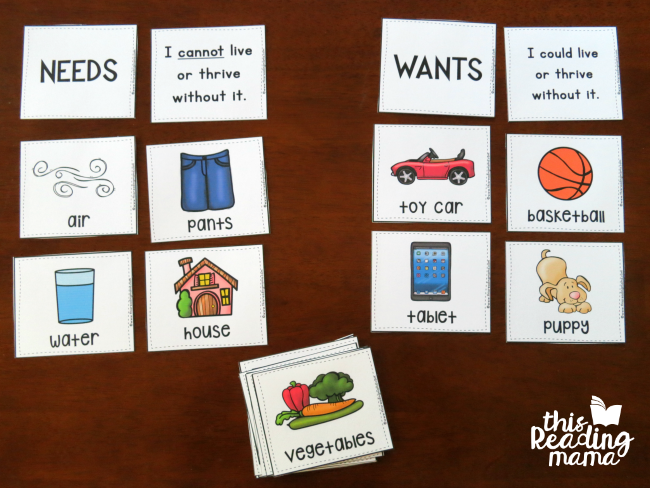
Wants are the desires of citizens and are optional. An example would be candy.
Needs are necessities; things needed for survival. Some examples would be food and water.
Scarcity is the most fundamental economic problem that all societies face. It is how to satisfy unlimited wants with limited resources. An example of scarcity would be oil. It is currently used all across the world as energy, but it is finite. It will eventually run out, so nations have to figure out how to manage that while demand remains high.
Shortage is when QD>QS; this simply means that the quantity demanded exceeds the quantity supplied. This is temporary as companies will eventually restock. A current example would be the Popeyes' chicken sandwich. The extraordinary hype for sandwich has made the demand for it become more than the stores can handle. All across America, stores are posting up signs that they've run out of chicken sandwiches for the day.
Goods are tangible objects. There are two types of goods, which are:
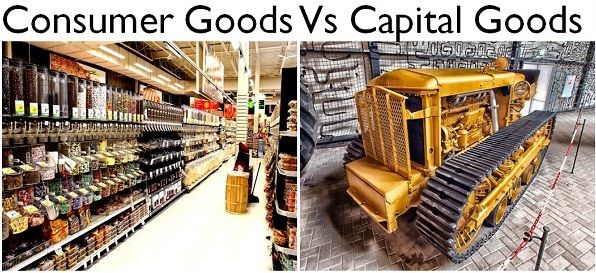
- Consumer goods are intended for final use by the consumer. Examples include iPods, TVs, and dolls. These are bought by consumers (buyers).
- Capital goods are items used in the creation of other goods. Examples include cotton, wood, and plastic. These are bought by producers (sellers).
Services are actions done by one person for another. Examples in cutting hair, manicures and pedicures, and massages.
There are four major factors of production:
Land, which is the natural resources
Labor, which is the workforce
Capital, which can be further broken down into two parts:
- Human capital is the knowledge and skills that a worker gains through education and experience.
- Physical capital is human-made objects used to create other goods and services, such as machinery and factories.
Entrepreneurship, where the person operating the whole organization must be inventive and a risk-taker.
/factors-of-production-the-4-types-and-who-owns-them-4045262_final-f6e25dde9cbd4612b4193deed82db0e0.png)
For more information, refer to these videos from Khan Academy on basic economic concepts:
Introduction to economics: https://www.khanacademy.org/economics-finance-domain/ap-macroeconomics/basic-economics-concepts-macro/introduction-to-the-economic-way-of-thinking-macro/v/introduction-to-economics?modal=1
Four factors of production: https://www.khanacademy.org/economics-finance-domain/ap-macroeconomics/basic-economics-concepts-macro/introduction-to-the-economic-way-of-thinking-macro/v/four-factors-of-production?modal=1
Normative and positive statements: https://www.khanacademy.org/economics-finance-domain/ap-macroeconomics/basic-economics-concepts-macro/introduction-to-the-economic-way-of-thinking-macro/v/normative-and-positive-statements?modal=1

Do you think we can ever end scarcity? Or is it just a problem we will always be faced with?
ReplyDeleteIt's definitely something we'll always face. Even the most basic necessities are considered scarce. Globally a solution needs to be agreed upon together that can make scarcity not as big of a problem as it is now. However, the chances of that happening are slim to none so, to answer your question again, I don't think we can ever "end" scarcity. It's just something we have to deal with by allocating resources in different areas to combat its effects.
Delete